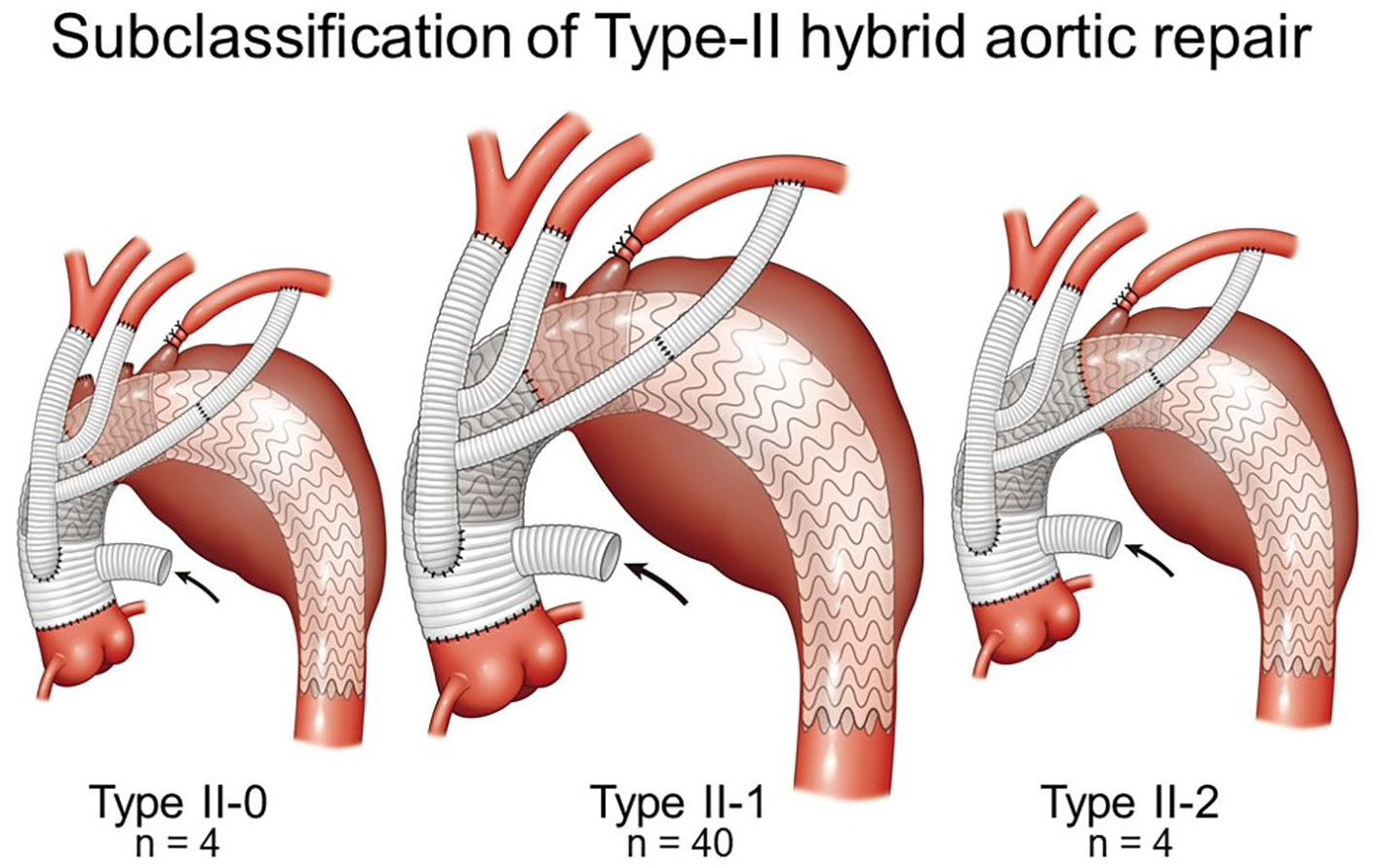
Hybrid Aortic Procedures
Hybrid Aortic Procedures combine the strengths of open surgical repair and minimally invasive endovascular techniques to treat complex and high-risk diseases of the aorta—the main blood vessel that carries blood from the heart to the rest of the body.
These procedures are specially designed for patients with aortic aneurysms, dissections, or multi-segment aortic disease, where traditional open surgery alone may be risky or incomplete.
By merging both approaches in a single, coordinated operation, hybrid surgery provides the durability of open surgery with the reduced invasiveness of catheter-based treatment.
Why Hybrid Aortic Surgery Is Needed
Traditional open aortic surgery often requires a large incision, prolonged heart–lung bypass, and significant recovery time—making it challenging for elderly or high-risk patients.
On the other hand, endovascular repair (EVAR/TEVAR) may not be suitable in patients with difficult anatomy or when disease extends across multiple aortic segments.
Hybrid aortic procedures bridge this gap, allowing surgeons to design a highly individualized and safer approach.
Hybrid aortic surgery is particularly useful for:
- Aortic arch aneurysm or dissection
- Thoracoabdominal aortic aneurysms (TAAA)
- Chronic type A or type B aortic dissections
- Multi-level or pan-aortic disease
- Patients previously considered inoperable due to age or medical conditions
This combined strategy allows surgeons to repair the entire diseased aorta in one or two stages, reducing the need for multiple high-risk operations.
How Hybrid Aortic Procedures Are Performed
Hybrid surgery is performed inside a hybrid operating room, which combines the advantages of a cardiac surgical theatre with real-time high-resolution imaging used for endovascular procedures.
The procedure generally occurs in three phases:
1. Open Surgical Phase
- A small incision is made in the chest (often upper sternotomy).
- The diseased portion of the aortic arch is repaired or replaced with a surgical graft.
- Blood vessels supplying the brain (the head and neck vessels) are reimplanted or bypassed to create a safe landing zone for the next phase.
- This ensures a stable and durable foundation for the stent graft.
2. Endovascular Phase
- Through tiny punctures in the groin, a stent graft is inserted via a catheter.
- This stent graft is positioned inside the descending thoracic aorta or abdominal aorta, depending on the disease.
- The stent strengthens the weakened vessel and prevents rupture or extension of dissection.
3. Completion Phase
- The open surgical graft and the endovascular stent graft are aligned to create a continuous, reinforced aortic channel.
- Blood flow is restored smoothly, and the entire diseased segment is protected from future complications.
Types of Hybrid Aortic Procedures
Hybrid aortic procedures come in different forms depending on the patient’s anatomy and disease severity.
- Frozen Elephant Trunk (FET) Technique
A highly advanced single-stage hybrid repair.
A combined surgical + endovascular graft is implanted into the arch and descending aorta at the same time.
Benefit:
Treats arch and descending aorta simultaneously with excellent long-term durability.
- Debranching Hybrid Repair
The surgeon reroutes blood flow from the ascending aorta to the head and neck arteries.
Benefit:
Creates a safe zone for the stent graft placement in the aortic arch, reducing stroke risk and improving outcomes.
- Staged Hybrid Repairs
Used when the disease extends across the chest and abdomen.
Benefit:
Allows careful correction over two or more stages, improving safety in complex or fragile patients.
Advantages of Hybrid Aortic Surgery
Hybrid aortic surgery offers several key benefits:
Less invasive than full open aortic surgery
Shorter surgical time and reduced heart–lung bypass requirements
Lower risk of spinal cord injury and paralysis
Reduced blood loss and fewer transfusions
Shorter ICU and hospital stay
Safer for elderly or medically fragile patients
Durable long-term protection against rupture, leak, or disease progression
Improved access to complex anatomical areas
These advantages make hybrid procedures the preferred option at leading heart and vascular centers worldwide.
Recovery After Hybrid Aortic Procedure
Recovery is significantly faster than traditional open aortic surgery.
Hospital Course
1–2 days in ICU
Total hospital stay: 7–10 days
Full recovery:
4–6 weeks, depending on age and overall health.
Postoperative care includes:
Regular CT/MRI scans to monitor the graft and stent
Strict blood pressure control to reduce stress on the aorta
Antiplatelet medication if stents are used
Cardiac rehabilitation to regain strength and stamina
Avoiding heavy lifting or strenuous activities until cleared
Most patients return to light daily activities within a few weeks and gradually resume normal life.
Potential Risks and Complications
Although hybrid aortic repair is highly successful, potential risks include:
Stroke or neurological deficits
Endoleak (leak around the stent graft)
Infection or bleeding
Stent graft migration or narrowing
Kidney injury due to contrast dye used in imaging
Vocal cord weakness or hoarseness (rare, due to nerve proximity)
Choosing a specialized hybrid center and an experienced aortic surgery team significantly reduces these risks.

MBBS, MS, MCh, FRCS-CTh,
FRCS-CTh(Ed), MEBCTS, FEBCTS, FACS(USA), DNB, MNAMS, MBA
Senior Consultant – Cardiothoracic & Vascular Surgery
National Heart Institute, New Delhi
Frequently Asked Questions
How long does a hybrid aortic procedure take?
Most procedures last 4–8 hours, depending on the complexity and number of stages involved.
Is hybrid aortic surgery safer than traditional open surgery?
Yes. It reduces the need for full open repair, lowers blood loss, shortens recovery, and is safer for elderly or high-risk patients.
Will I need lifelong follow-up after hybrid aortic repair?
Yes. Regular CT or MRI scans are essential to monitor the stability of surgical and stent grafts.
Can hybrid aortic surgery treat the entire aorta?
Yes. Hybrid procedures can manage arch, descending, and abdominal segments, sometimes referred to as pan-aortic repair.
What lifestyle changes are required after the procedure?
Strict blood pressure control, avoiding smoking, regular walking, and periodic follow-up are crucial to long-term success.
Is hybrid aortic surgery available everywhere?
No. It requires specialized hybrid ORs and highly experienced aortic surgeons, available only in advanced cardiac centers.
What is an endoleak?
An endoleak occurs when blood continues to flow into the aneurysm sac around the stent graft. Many endoleaks are minor and can be monitored, while others need additional treatment.
For any queries on this topic
Mail to: drkeshriheartcare@gmail.com or Click Here For WhatsApp (Text msg Only):