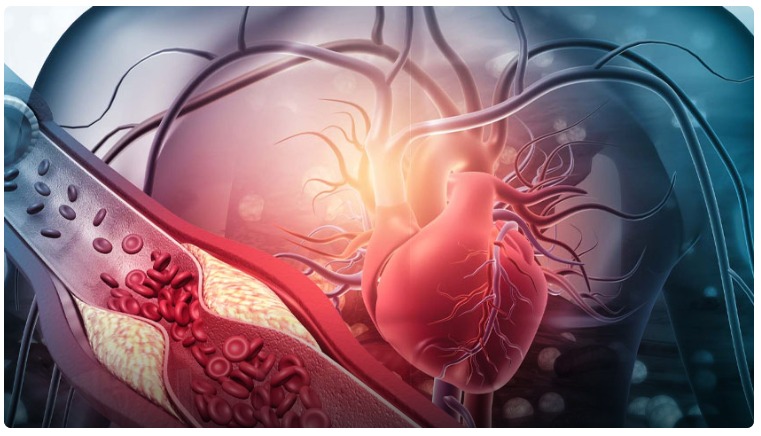
Vascular Surgery
Vascular Surgery is a specialized branch of surgery focused on diagnosing, treating, and managing diseases of the blood vessels—including arteries, veins, and the lymphatic system—excluding the vessels of the heart and brain. These structures are essential for carrying blood and nutrients throughout the body, and any blockage, weakness, or damage can lead to serious complications such as stroke, limb loss, organ dysfunction, or life-threatening emergencies.
Vascular surgeons use both minimally invasive (endovascular) and traditional open surgical techniques to restore proper circulation, prevent complications, and preserve organ and limb function.
Conditions Commonly Treated in Vascular Surgery
Vascular surgeons handle a wide range of circulation-related diseases. Common conditions include:
- Peripheral Artery Disease (PAD)
Narrowing or blockage of arteries in the legs or arms due to plaque buildup.
Symptoms: leg pain while walking, numbness, cold feet, non-healing wounds.
- Aortic Aneurysm (AAA / TAA)
Bulging or weakening of the aorta. If untreated, it may rupture and cause internal bleeding.
- Carotid Artery Disease
Narrowing of arteries in the neck that supply blood to the brain. This increases the risk of stroke.
- Varicose Veins & Venous Insufficiency
Twisted or swollen veins in the legs due to weak valves, causing heaviness, discomfort, and skin changes.
- Deep Vein Thrombosis (DVT)
Formation of a blood clot in deep veins, usually in the legs. This can travel to the lungs and cause a pulmonary embolism.
- Renal or Mesenteric Artery Stenosis
Narrowing of arteries that supply the kidneys or intestines, affecting organ function.
- Lymphedema
Swelling caused by lymphatic obstruction.
Types of Vascular Surgeries & Procedures
Vascular surgeons choose from a range of techniques depending on the disease pattern, patient age, risk factors, and urgency.
1. Endovascular Surgery (Minimally Invasive)
These procedures are performed through tiny punctures and guided by X-ray or ultrasound.
Angioplasty & Stenting
Opens blocked arteries using balloon catheters; stents help keep the artery open.Endovascular Aneurysm Repair (EVAR / TEVAR)
Stent grafts are used to reinforce aneurysms in the abdominal or thoracic aorta.Thrombectomy / Embolectomy
Removal of clots from arteries or veins.Catheter-Directed Thrombolysis
Medicines delivered directly to dissolve blood clots.Carotid Artery Stenting
Minimally invasive method to reduce stroke risk.Laser / Radiofrequency Ablation for Varicose Veins
Heat or laser energy closes faulty veins.
Benefits
No large incisions
Short recovery
Minimal pain
Same-day or next-day discharge
Best suited for elderly or high-risk patients
2. Open Vascular Surgery
Performed when disease is extensive or unsuitable for endovascular repair.
Bypass Surgery (e.g., Femoro-Popliteal, Aorto-Femoral)
A new pathway is created using a vein or synthetic graft to bypass blocked arteries.Carotid Endarterectomy
Surgical removal of plaque from carotid arteries to prevent stroke.Traditional Aneurysm Repair
Open surgical graft placement to repair large or complex aneurysms.Vein Ligation and Stripping
Removal or tying of abnormal veins.
Benefits
Durable long-term outcomes
Effective for large blockages or diseased segments
3. Hybrid Vascular Procedures
These combine open surgery and endovascular techniques in a single session.
Useful for:
Complex multi-level arterial blockage
Re-do surgeries
Limb salvage in advanced PAD
Large or irregular aneurysms
Advantages of Modern Vascular Surgery
Restoration of blood flow
Prevention of stroke, limb loss, and organ damage
Minimally invasive options with faster healing
Reduced hospital stay
Better quality of life and mobility
High success rates with improved long-term results
Recovery and Aftercare
Recovery depends on the type of surgery:
Minimally invasive procedures:
Discharge in 1–3 days
Resume normal activities within a week
Open procedures:
Hospital stay of 5–7 days
Longer recovery due to larger incisions
Postoperative recommendations:
Regular walking/exercise
Quit smoking completely
Heart-healthy diet
Medicines such as antiplatelets, statins, blood pressure control
Regular imaging follow-up (Doppler/CT angiography)
These measures help ensure long-term success and prevent disease recurrence.
Possible Risks and Complications
Although vascular surgery is safe, potential risks include:
Bleeding or infection
Blood clot formation
Graft blockage
Stroke (especially in carotid surgeries)
Kidney complications (due to contrast dye)
Nerve or tissue injury (rare)
Choosing an experienced vascular surgeon greatly reduces these risks.
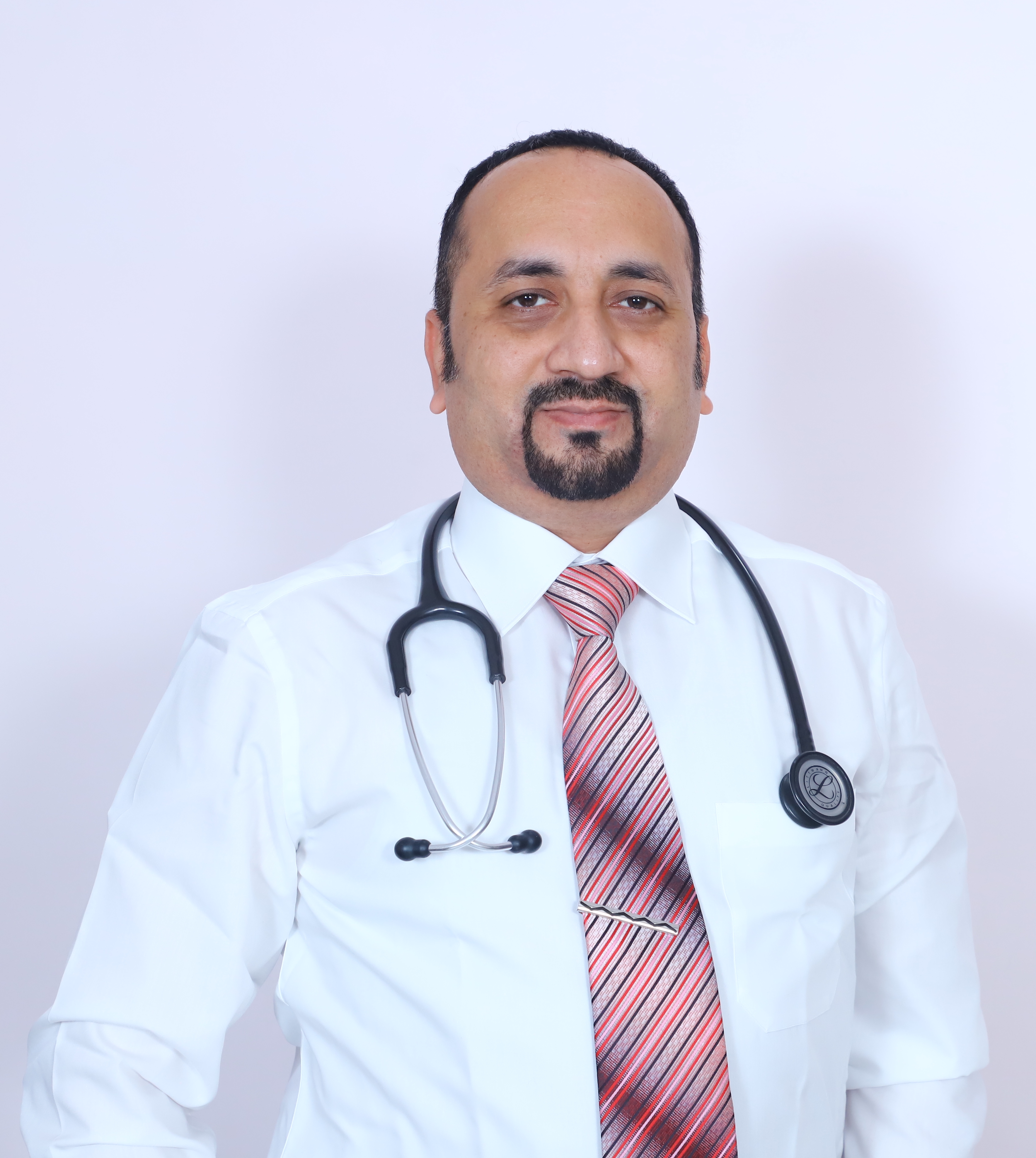
MBBS, MS, MCh, FRCS-CTh,
FRCS-CTh(Ed), MEBCTS, FEBCTS, FACS(USA), DNB, MNAMS, MBA
Senior Consultant – Cardiothoracic & Vascular Surgery
National Heart Institute, New Delhi
Frequently Asked Questions
How do I know if I need vascular surgery?
If you have leg pain while walking, non-healing wounds, varicose veins, a diagnosed aneurysm, or circulation issues, you may need evaluation by a vascular surgeon.
Is endovascular surgery better than open surgery?
Both are effective. Minimally invasive procedures offer faster recovery, while open surgery may be better for complex or long-segment disease.
How long does it take to recover after vascular surgery?
Minimally invasive procedures have a recovery period of a few days. Open surgeries may take weeks.
Are vascular surgeries painful?
Most procedures involve local anesthesia or mild sedation, so discomfort is minimal.
Can vascular diseases be prevented?
Yes. Healthy lifestyle, exercise, blood pressure control, diabetes management, and quitting smoking significantly reduce risk.
For any queries on this topic
Mail to: drkeshriheartcare@gmail.com or Click Here For WhatsApp (Text msg Only):