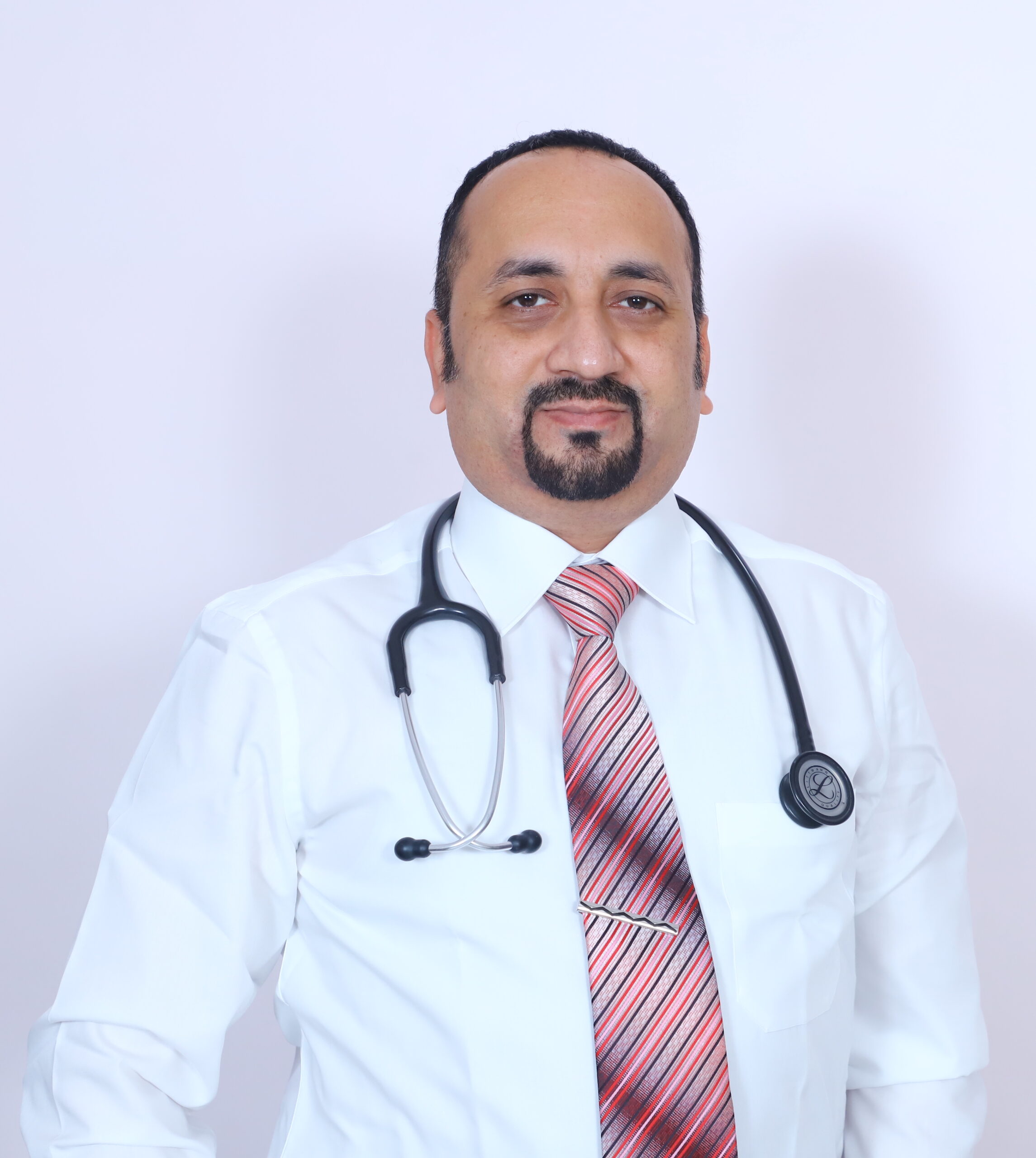
Dr. Vikas Kumar Keshri
MBBS, MS(General Surgery),
MCh(CTVS, AIIMS. New Delhi),
FRCS-CTh(Eng), FRCS-CTh(Ed),
MEBCTS(CTh), FEBCTS(Europe),
FACS(USA), DNB(CTh)(Delhi),
MNAMS, MBA(BITS-Pilani)
Senior Consultant – Cardiothoracic & Vascular Surgery
National Heart Institute, New Delhi
0+
0+
0+
0+
Advanced Cardiac Care Treatments



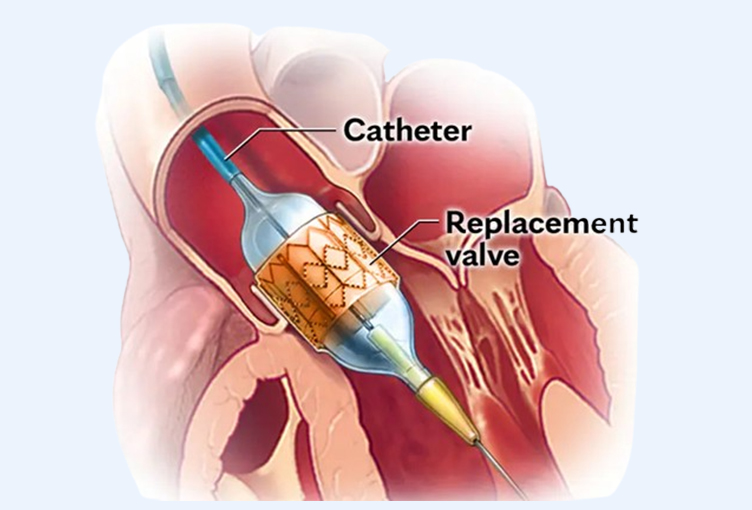
Previous Work Experience
Why Choose Dr. Vikas Kumar Keshri?
Master Surgeon in Cardiothoracic & Vascular Excellence
Areas of Expertise
Dual Adult & Pediatric Expertise
Minimally Invasive Techniques
FAQ(Frequently Ask Questions)
मै एक वयस्क पुरुष/ महिला हूँ, वयस्कों में हृदय रोग के प्रारंभिक लक्षण क्या है जिसके लिए मुझे हृदय रोग विशेषज्ञ संपर्क करना चाहिए?
हृदय रोग के सामान्य लक्षणों होते हैं:
- सांस फूलना (जो परिश्रम करने पर अधिक हो जाता है)
- सीने में दर्द (जो परिश्रम करने पर अधिक हो जाता है)
- पैरों में सूजन
- धड़कन (हृदय के तेज़ धड़कने का अहसास)
- अचेत होना / बेहोशी छाना / चक्कर आना
- चलने / व्यायाम करने पर अत्यधिक थकान / पसीना आना
- रात में खांसी
- घुटन के कारण सपाट लेटने में असमर्थता
- खांसी के साथ रक्त आन
उपरोक्त लक्षणों में से कोई भी लक्षण होने पर आपको हृदय रोग विशेषज्ञ से परामर्श लेना चाहिए।
मुझे हृदय रोग के कोई भी लक्षण नहीं हैं। क्या मुझे फिर भी किसी हृदय रोग विशेषज्ञ से सम्पर्क करना चाहिए?
ऐसा कहा जाता है कि उपचार से बचाव बेहतर है और नियमित रूप से अपने चिकत्सक के सम्पर्क में रहना एक अच्छी आदत है। जहां तक हृदय रोगों का संबंध है, जिन लोगों में हृदय रोग के कोई लक्षण नहीं हैं और जिनकी उम्र 40-45 वर्ष से अधिक है, उन्हें भी हर दो साल में एक बार हृदय रोग विशेषज्ञ से परामर्श लेना चाहिए, यदि उनमें निम्न में से कोई स्थिति हो
- यदि उनके प्रथम श्रेणी के किसी रिश्तेदार (पिता, माता, भाई-बहन) को हृदय रोग हुआ हो।
- उच्च रक्तचाप
- मधुमेह
- धूम्रपान/तंबाकू चबाना
- उच्च कोलेस्ट्रॉल
- लंबे समय से चली आ रही गुर्दे की बीमारी
तनावपूर्ण नौकरी / जीवन शैली
क्या छोटे शिशुओं को भी हृदय रोग हो सकते हैं? शिशुओं में हृदय रोग के लक्षण क्या हैं जिनके लिए चिकित्सक का परामर्श लेना आवश्यक है?
कुछ हृदय रोग प्रकृति में जन्मजात रूप से (जन्म से) हो सकते हैं। चिकित्सा और जाँच की विधियों में प्रगति के साथ, इनमें से कई बीमारियों की पहचान अब प्रसव पूर्व अवधि में ही या बच्चे के जन्म के तुरंत बाद की जा रही है। अंतर्निहित रोग के प्रकार और जटिलता के आधार पर जन्मजात रोग भिन्न-भिन्न आयु में और भिन्न-भिन्न लक्षणों के साथ से प्रकट हो सकते हैं।
मोटे तौर पर जन्मजात रोगों के दो मुख्य समूह होते हैं और उनके लक्षण एक दूसरे से भिन्न होते हैं।
जन्मजात हृदय रोगों के पहले समूह के सामान्य लक्षण हैं:
- बार-बार श्वसन संक्रमण (छाती में संक्रमण/खांसी-जुकाम या बच्चे में निमोनिया)
- बहुत तेज सांस लेना
- सांस लेते समय पसली चलना
- बच्चे की देखभाल करते समय माँ द्वारा बच्चे की हृदय गति बहुत तेज महसूस होना
- बच्चे को स्तनपान कराने में कठिनाई (बच्चा स्तनपान करते-करते थक जाता है और भूख पूरी होने से पहले ही दूध पीना बंद कर देता है)
- स्तनपान करते समय बच्चे के माथे पर पसीना आना
- अत्यधिक रोना
- बच्चे का वजन सामान्य रूप से नहीं बढ़ना
- उम्र के अनुसार बच्चे की विकास में देरी होना
- बच्चे की जांच करते समय आपके चिकित्सक द्वारा सुनाई देने वाली असामान्य हृदय स्पंदन (मर्मर)
जन्मजात हृदय रोगों के दूसरे समूह के सामान्य लक्षण हैं:
- बच्चे की उँगलियों एवं होठों का नीला पड़ना
- बच्चे का अचानक अत्यधिक नीला पड़ना -अत्यधिक रोना एवं सुस्त पड़ जाना (सायनोटिक स्पेल)
- स्क्वाटिंग एपिसोड – कुछ शारीरिक गतिविधि के बाद बच्चा आराम करने के लिए रुक जाता है और अपने पैरों को अपनी छाती के साथ चिपका कर बैठ जाता है
- अत्यधिक थकान
- उँगलीयों के आख़िरी हिस्से में सूजन आना (क्लबिंग)
यदि किसी बच्चे में उपरोक्त लक्षणों में से कोई भी लक्षण हैं तो माता-पिता को हृदय रोग विशेषज्ञ से संपर्क करना चाहिए।
ओपन-हार्ट सर्जरी क्या है और बाईपास ऑपरेशन क्या है? क्या दोनों एक ही हैं?
तकनीकी रूप से ओपन-हार्ट सर्जरी और बाईपास ऑपरेशन दो भिन्न प्रक्रियाएँ हैं। आम जनता की दृष्टि में वे सभी ऑपरेशन जिनमें छाती की हड्डी काटी जाती है, ओपन-हार्ट ऑपरेशन कहे जाते हैं, लेकिन ऐसा नहीं है।
एक ओपन-हार्ट ऑपरेशन वह शल्य क्रिया होती है जहां एक अत्याधुनिक मशीन (जिसे हार्ट-लंग मशीन कहा जाता है) की मदद से और विभिन्न दवाओं के संयोजन से हृदय स्पंदन को अस्थायी रूप से रोक दिया जाता है एवं चीरे के द्वारा हृदय के प्रकोष्ठों को खोल कर आवश्यक शल्य प्रक्रियाओं को सम्पन्न किया जाता है। इस अवधि में हार्ट-लंग मशीन हृदय का कार्य करती है। प्रक्रिया समाप्त होने के पश्चात हृदय के चीरे को सिल कर उसका पुनः स्पंदन शुरू किया जाता है। इन प्रक्रियाओं में ‘हृदय में छेद’ का निवारण, जन्मजात हृदय रोगों का निवारण, हृदय के वाल्वों का प्रतिस्थापन या मरम्मत, हृदय के ट्यूमर का निवारण इत्यादि शामिल हैं।
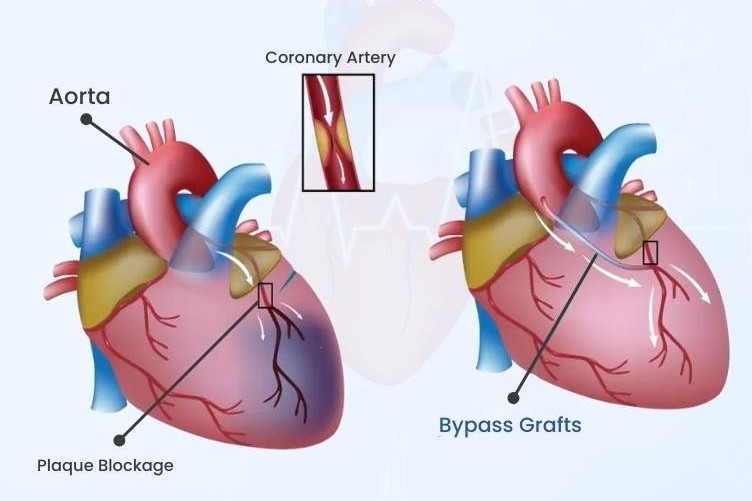
दूसरी ओर बाईपास ऑपरेशन हृदय से संबंधित एक ऐसी शल्य क्रिया है जो हृदय को रक्त की आपूर्ति करने वाली रक्त वाहिकाओं के अवरोध के लिए की जाती है (जिसे कोरोनरी आर्टरी डिज़ीज़ कहा जाता है)। बाईपास ऑपरेशन के दौरान छाती से, पैर से या बांह से रक्त वाहिकाओं को निकाला जाता है और हृदय की रोगग्रस्त रक्त वाहिकाओं के साथ जोड़ा जाता है ताकि हृदय की रक्त आपूर्ति पुनर्स्थापित हो सके। आजकल शल्य क्रिया की तकनीकों में प्रगति के साथ, अधिकांश बाईपास ऑपरेशन हृदय गति को रोके बिना धड़कते हुए हृदय पर ही किए जाते हैं (बीटिंग हार्ट बाइपास)। अधिक जानकारी के लिए हमारे बाइपास ऑपरेशन अभिलेख को देखें।
हार्ट सर्जरी की आवश्यकता कब होती है?
हृदय की कुछ बीमारियों को केवल शल्य चिकित्सा द्वारा ही ठीक किया जा सकता है। इसमे शामिल है
- अधिकांश जन्मजात हृदय रोग (जिसे आमतौर पर ‘दिल में छेद’ कहा जाता है)
- हृदय वाल्व के लम्बे समय से चले आ रहे अधिकांश रोग जैसे गंभीर रिसाव या हृदय वाल्व का सिकुड़ना
- हृदय की आपूर्ति करने वाली धमनियों में गम्भीर रुकावट (जिसे कोरोनरी आर्टरी डिज़ीज़ कहा जाता है)
- हृदय से उत्पन्न होने वाली महा-धमनी (एओर्टा) में दरार (जिसे एओर्टिक डिसेक्शन कहा जाता है)
- हृदय की महा-धमनी (एओर्टा) में सूजन (जिसे एओर्टिक एन्यूरिस्म कहा जाता है)
- दिल का दौरा पड़ने के बाद हृदय में होने वाले छिद्र (पोस्ट एम-आइ वी एस डी)
- हृदय के आसपास की झिल्लियों का मोटा होना (कोंस्ट्रिक्टिव पेरिकार्डाइटिस)
- हृदय और उसकी शिराओं में लगी बाहरी चोट
- हृदय के अंदर गाँठ (ट्यूमर)
जब किसी को इनमें से कोई एक बीमारी होती है तो उपचार करने वाला चिकित्सक/सर्जन रोगी की सम्पूर्ण स्थिति का पता लगाने के लिए कुछ परीक्षण करता है और उसके अनुसार आगे के उपचार की सलाह देता है।
क्या हार्ट-सर्जरी ‘हमेशा’ हृदय रोगों के उपचार के लिए अंतिम विकल्प है, एवं इसका परामर्श हमेशा दवाओं और अन्य सभी विकल्पों को आजमाने के बाद ही दिया जाता है?
नहीं। यह एक गलत धारणा है कि हृदय की सर्जरी की आवश्यकता हमेशा दवाओं और अन्य तरीकों को लंबे समय तक प्रयोग करने के बाद ही पड़ती है। अंतर्निहित स्थिति के आधार पर एक ओपन-हार्ट सर्जरी कई बार उपचार की पहली विधि या सर्वश्रेष्ठ विधि होती है। यदि आपको हृदय रोग है तो आपको उपचार की सर्वोत्तम विधि का चयन करने के लिए हृदय विशेषज्ञ से परामर्श लेना चाहिए। हार्ट सर्जन से दूसरी राय लेने का विकल्प हमेशा होता है और हम हमेशा किसी विशेषज्ञ से दूसरी राय लेने की अनुशंशा करते हैं।
हृदय की सर्जरी कराने का सही समय कब है?
सर्जरी के सर्वोत्तम समय के बारे में कोई एकाकृत उत्तर नहीं है, यह उस स्थिति पर निर्भर करता है जिससे आप पीड़ित हैं। आपके डॉक्टर आपकी शारीरिक स्थिति और अन्य मापदंडों के आधार पर आपको इस बारे में सलाह देंगे। सामान्य नियम यह है कि जटिलताओं के विकसित होने या हृदय में अपरिवर्तनीय परिवर्तन विकसित होने से पहले सर्जरी की जानी चाहिए।
दवाओं की मदद से मैं अपने हृदय के ऑपरेशन में कुछ वर्षों के लिए टालना चाहता हूँ? क्या मैं ऐसा कर सकता हूँ? क्या मुझे ऐसा करना चाहिए?
यह एक सामान्य भ्रांति है कि हमें अधिक से अधिक समय तक दवाएं लेते रहना चाहिए और दवाओं की मदद से यथासंभव देर से ऑपरेशन करवाना चाहिए। यह सत्य नहीं है। एक बार जब आपको ऐसे हृदय रोग की पहचान हो जाती है जिसके लिए सर्जरी की आवश्यकता होती है, तो आपके ऑपरेशन में बहुत अधिक विलम्ब करने का परामर्श नहीं दिया जाता है। ऑपरेशन में विलम्ब के साथ अंतर्निहित रोग प्रक्रिया अधिक उन्नत हो सकती है और कुछ मामलों में अपरिवर्तनीय भी हो सकती है। कई मामलों में यह देखा गया है कि यदि सर्जरी में अधिक समय तक देरी होती है तो सर्जरी में सम्मिलित ख़तरा बढ़ जाता है और परिणाम शीघ्र ऑपरेशन की तुलना कम अच्छे होते हैं। साथ ही, ऊपर बताए गए कारणों की वजह से ऑपरेशन में की गयी देरी से सम्पूर्ण स्वास्थ्य लाभ की संभावना भी कम हो जाती है। आपको इसके सम्बंध में एक विशेषज्ञ हृदय रोग विशेषज्ञ शल्य चिकित्सक का परामर्श लेना चाहिए और यथासम्भव शीघ्र ऑपरेशन के विकल्प का चयन करना चाहिए।
I am an adult male / female, what are the early symptoms of heart disease in adults for which I should see a heart specialist?
Common symptoms of heart disease include
- Breathlessness (which becomes more on exertion)
- Pain in the chest (which becomes more on exertion)
- Swelling in the legs
- Palpitation (feeling of fast/forceful beating of the heart)
- Syncope / Giddiness
- Excessive tiredness/sweating on walking/exercise
- Nocturnal cough (cough in the night)
- Inability to lie flat due to suffocation
- Blood in sputum
I don’t have any symptoms of heart disease. Should i still see a heart specialist?
It is said that prevention is better than cure and it is a good practice to see your physician regularly for preventive checkups. As far as heart diseases are concerned, people who have no symptoms of heart disease and are above the age of 40-45 yrs should also consult a heart specialist once every two years if they have any of the following
- If any of their first-degree relatives (father, mother, siblings) have had a heart
- condition.
- Hypertension
- Diabetes
- Smoking / Tobacco chewing
- High Cholesterol
- Long-standing kidney disease
- Stressful job/lifestyle
Can small kids also have heart disease? What are the symptoms of heart disease in children which need medical attention?
Certain heart disease can be congenital (by birth) in nature. With advancement in medical technology and care many of these diseases are now being diagnosed during the pre-natal period itself or immediately after childbirth. Depending upon the type and severity of the underlying disease they may manifest at different ages and in different ways. Broadly speaking they are of two main groups.
Common symptoms of the first group of congenital heart diseases are
- Repeated respiratory infection (chest infection / cough-cold or pneumonia in
child) - Very fast breathing
- Chest retraction while breathing
- Very fast heart beating felt by the mother while caring for the child
- Difficulty in breast feeding the child (child gets tired on breast feeding and
stops feeding before his hunger is satisfied) - Sweating on the forehead of child while breast-feeding
- Excessive crying
- Failure of gain weight normally
- Delay in developmental milestones
- Abnormal heart sounds heard by your physician while examining the baby
Common symptoms of the second group of congenital heart disease
are
- Blue discoloration of lips and fingertips of child
- Excessive crying – limping – crying episodes (called Cyanotic Spells)
- Squatting episodes – after some physical activity child stops to take rest and sits with his lower limbs close to his chest
- Excessive tiredness
- Swelling of the tips of the finger (Clubbing)
If a child has any of the above symptoms the parents must contact a heart
specialist.
What is an Open-heart surgery and what is a Bypass operation? Are the two same?
Technically speaking an open-heart surgery and a bypass operation are different. In general public’s view all operations where chest bone is cut are called open-heart operation, but it is not so.
An open-heart operation is one where with help of a state-of-the-art machine called a heartlung machine and a combination of various drugs the heart is temporarily stopped and cut open to perform the required surgical procedures. In this duration the heart-lung machine performs the function of the heart. After the procedure heart is sewed back and restarted. These procedures include repair of ‘hole in the heart’, repair of the congenital heart defects, replacement or repair of the heart valves, resection of the tumors of the heart etc. to name a few. A bypass operation on the other hand is one heart related surgery which is performed for blockage of the blood vessels supplying blood to the heart itself (called coronary artery disease). During a bypass operation blood vessels from the chest wall and/or legs and/or arm are taken and joined to diseased blood vessels of heart so that blood supply of the heart is restored. Nowadays with advancement in operative techniques most of the bypass operations are performed on ‘beating heart’ without having to stop the heart.
When is a Heart Surgery required?
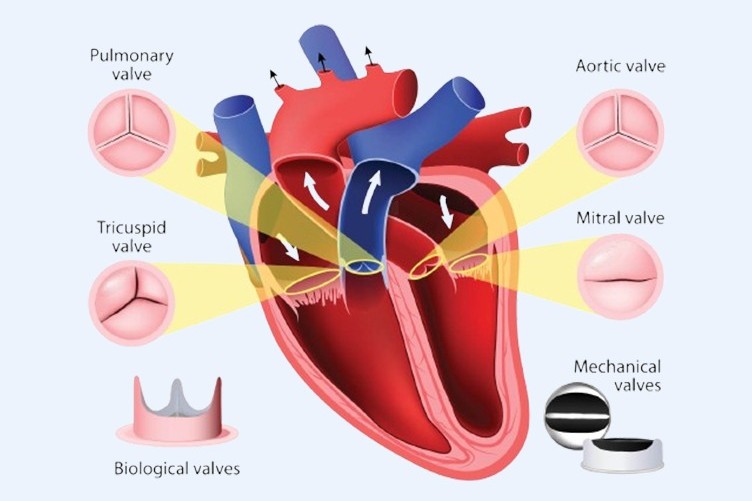
Certain diseases of heart can be cured by a surgical procedure only. These
include
- Most of the congenital heart diseases (commonly called ‘Hole in the heart’)
- Most of the advanced diseases of heart valves like severe leakage or
shrinkage of the heart valves - Advanced forms of blockage in the arteries supplying the heart (called
coronary artery disease) - Crack in the great artery (aorta) arising from the heart (called aortic
dissections) - Large swellings in the great arteries of the heart (called aortic aneurysms)
- Hole developing in the chambers of heart after a heart attack (Post MI-VSD,
Rupture) - Thickening in the membranes surrounding the heart (Severe Pericarditis)
- Trauma to heart and its vessels
- Tumors of the heart
Is Heart-Surgery ‘always’ the last option for treatment of heart condition(s), after medicines and all other options have long been tried?
No. This is a misconception that heart surgery should ‘always’ be offered or advised only after medicines and other methods have been tried for a long time. Depending upon the underlying condition an open-heart surgery is many a times the first line of treatment or the most preferred treatment. If you have a heart disease you must consult a heart specialist to decide the best line of treatment. There is always an option of seeking a second opinion from a heart surgeon and it is advisable too.
When is the right time to get a heart surgery done?
There is no ‘one size fits all’ answer regarding the best timing of surgery, it depends upon the condition you are suffering from. Your doctor will advise you regarding this based on your clinical condition and other parameters. Rule of the thumb is that surgery should be performed before complications develop or irreversible changes start developing in the heart.
I want to delay my heart operation by few years with help of medications? Can I? Should I?
- It is a general misconception that we must continue to take maximum medications and delay operation as much as possible with help of medicines. This is not true. Once you are diagnosed with a heart condition that requires surgery, it is not advisable to delay your operation for ‘too long’. With delay in operation the underlying disease process may become more advanced and even irreversible in some cases. It is seen in many cases that if surgery is delayed for longer periods the risk involved in the surgery increases and the outcomes are not as good as early operation. Also, the chances of full recovery become lesser with delay because of the reasons cited above. You must seek opinion of an expert heart surgeon regarding this and preferably opt for an early operation.
Follow Us On
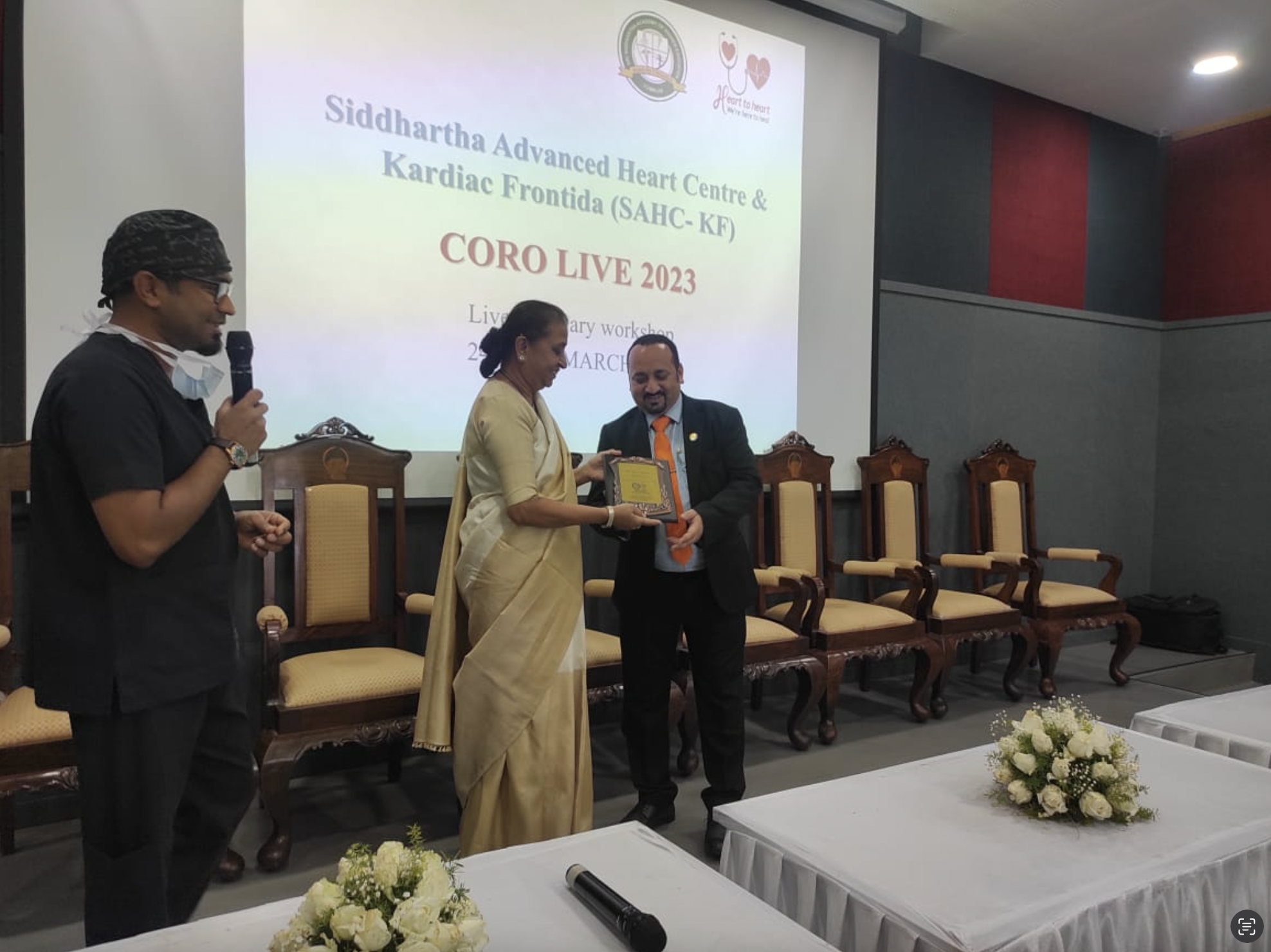
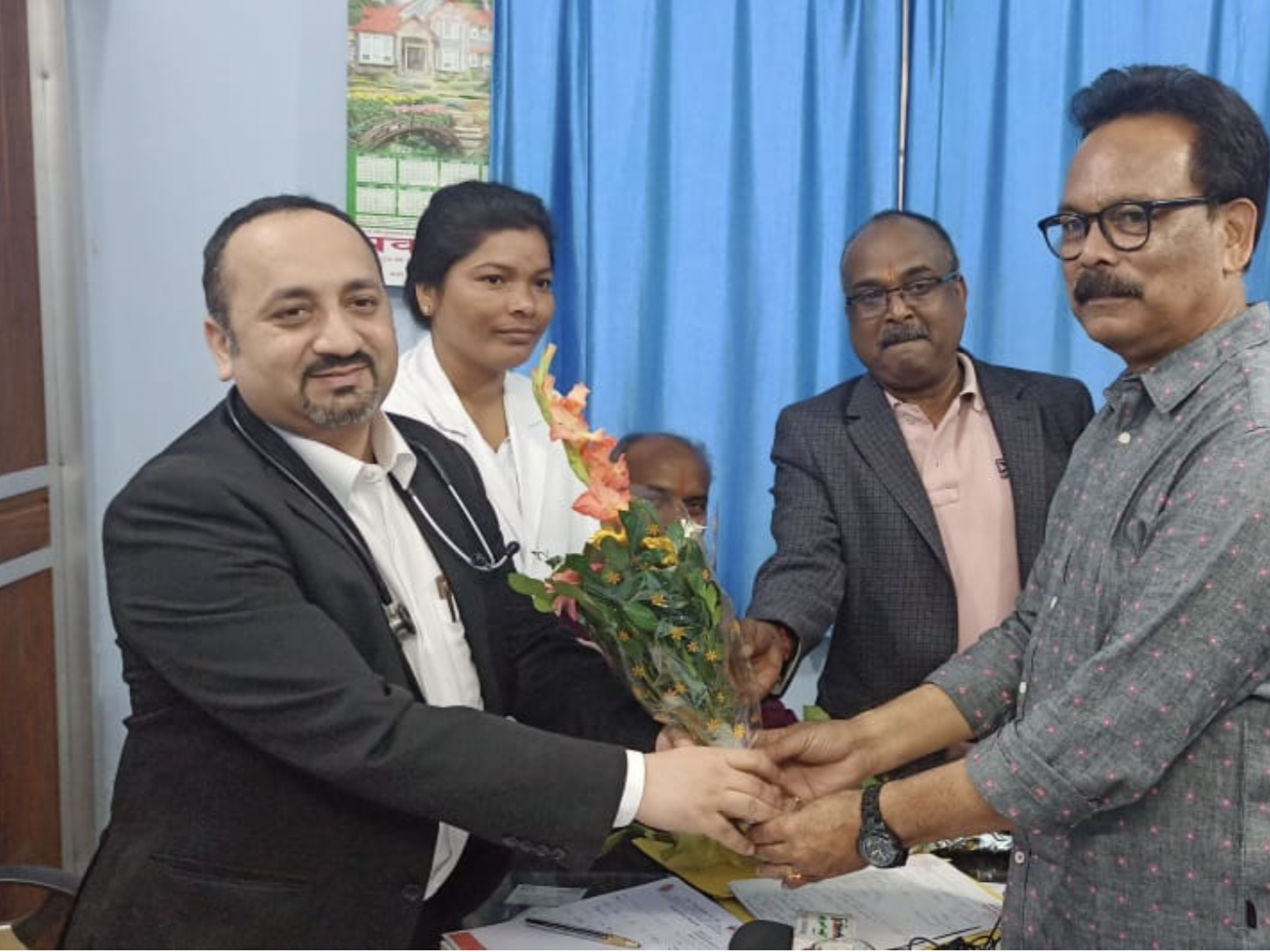
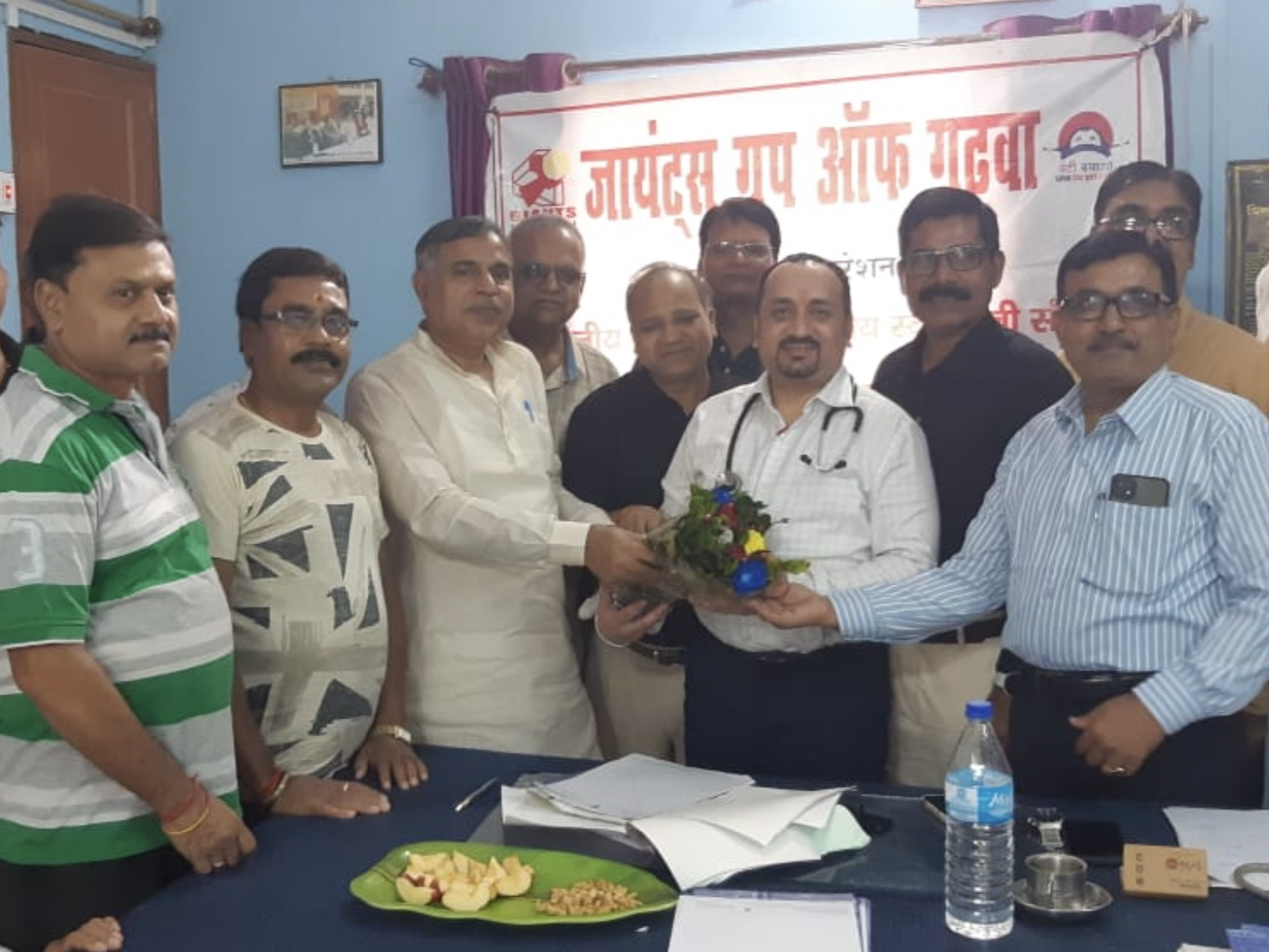
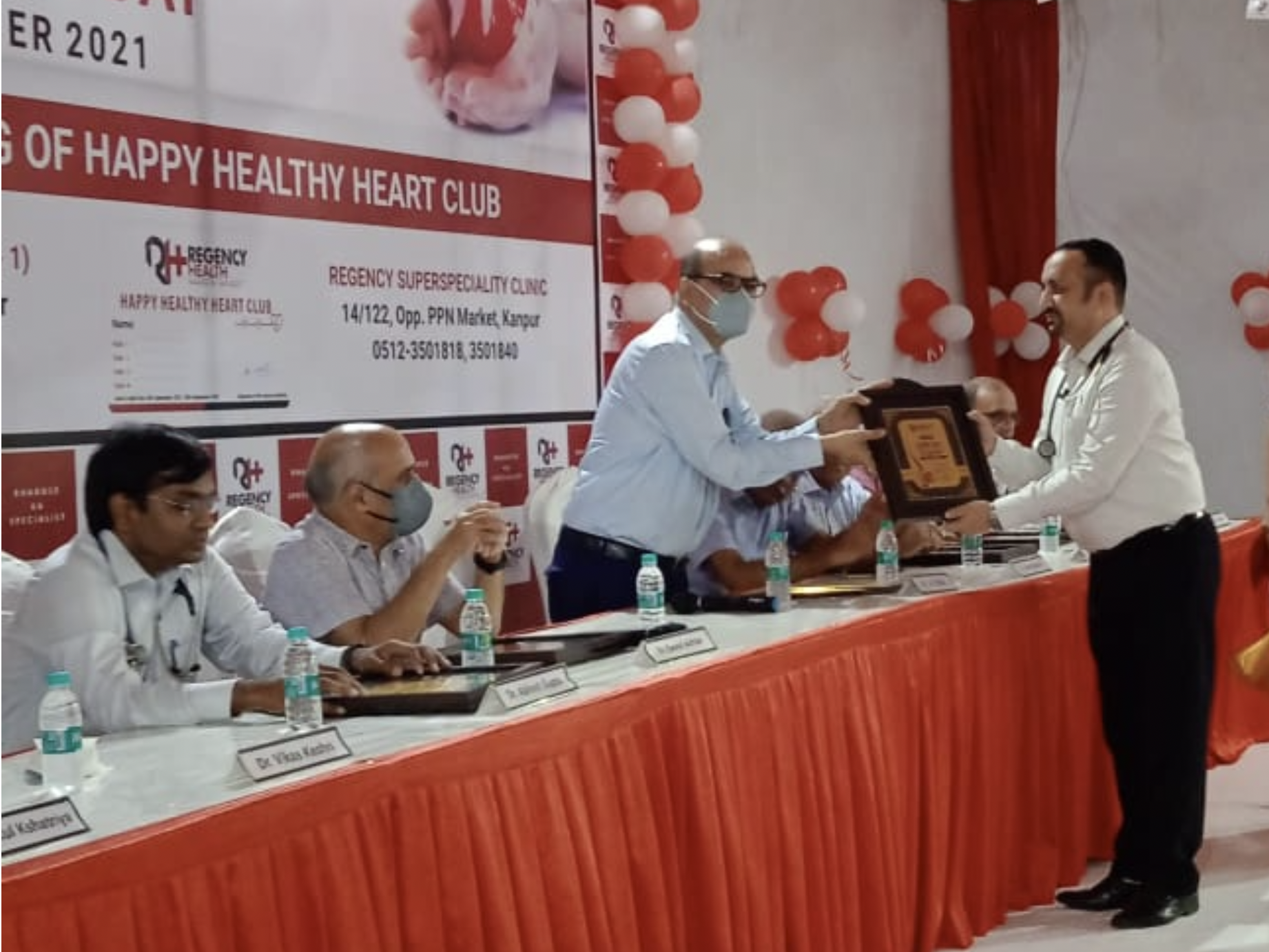
Glimpses of Event