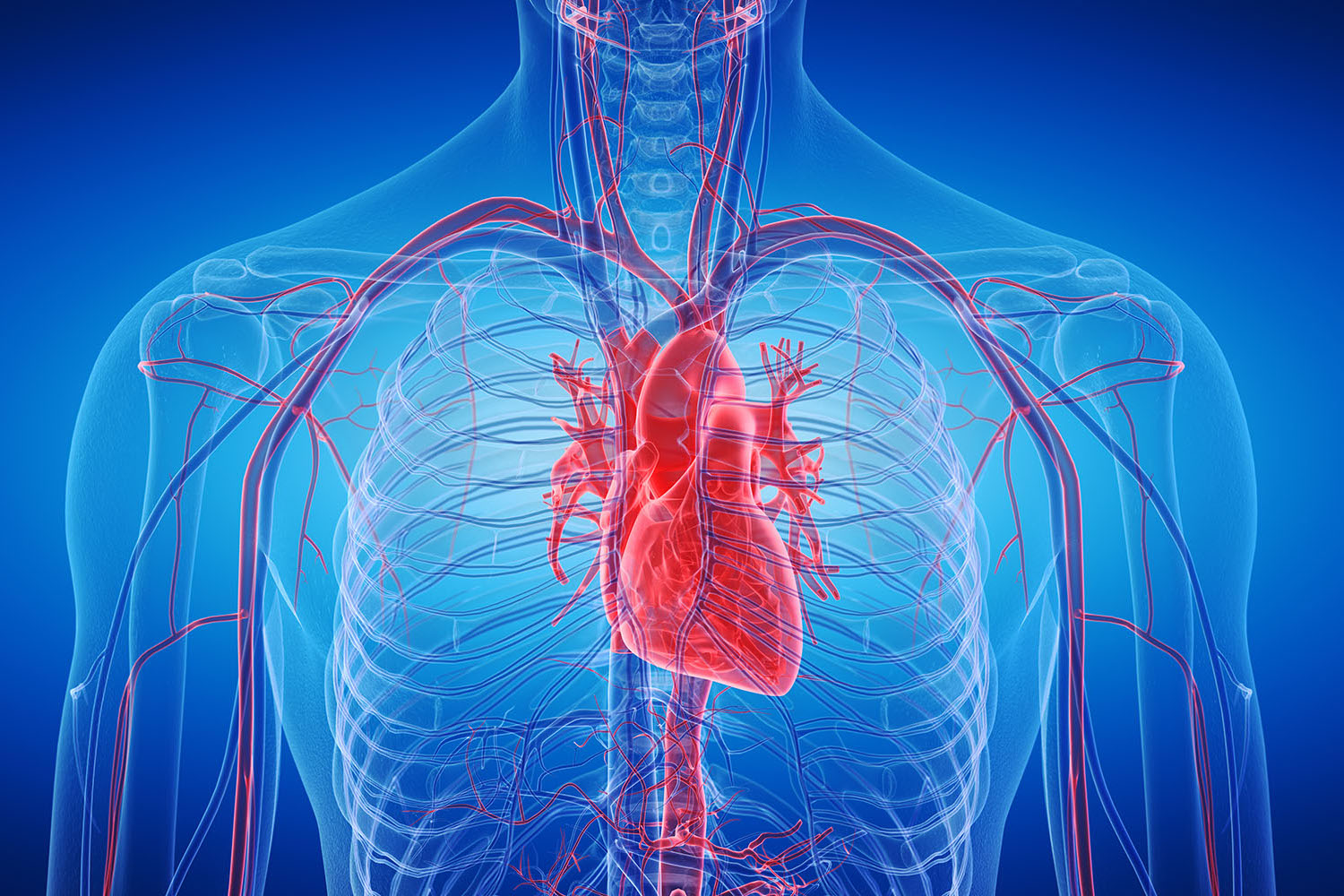
Heart Transplantation
A Heart Transplant (also called heart replacement surgery) is one of the most advanced and life-saving procedures in modern medicine. It is performed when a patient’s heart becomes so weak that it cannot support the body despite medicines, devices, or previous surgeries.
In such cases, replacing the failing heart with a healthy donor heart gives patients a new chance at life, better energy levels, and the ability to return to normal daily activities.
Modern cardiac science, improved donor selection, and advanced post-transplant care have made this procedure safer and more successful than ever before.
What Is a Heart Transplant?
The heart is the body’s natural pump.
When the pump becomes extremely weak or damaged, it fails to deliver enough blood to vital organs like the brain, kidneys, and liver. This leads to breathlessness, tiredness, swelling of the legs/abdomen, and repeated hospital admissions.
A Heart Transplant involves removing the diseased heart and replacing it with a healthy donor heart. This restores normal blood circulation and allows the patient to live an active, healthy life.
Who Needs a Heart Transplant?
A Heart Transplant is considered when the patient has end-stage heart failure, meaning the heart cannot function properly even after all available treatments.
Common conditions that may require a transplant include:
Dilated or hypertrophic cardiomyopathy
Coronary artery disease resulting in permanent heart damage
Severe congenital heart defects
Repeated heart failure admissions despite maximal therapy
Symptoms such as:
breathlessness at rest
extreme fatigue
swelling of feet, legs, or abdomen
inability to perform daily tasks
When no other treatment works, transplantation becomes the most effective and life-saving option.
How Donor Hearts Are Selected
A donor heart comes from a person who has suffered brain death but whose organs are kept functioning through life-support systems.
Matching the donor heart to the patient is based on:
Blood group compatibility
Body size
Medical urgency
Overall heart condition
The donor heart must be transplanted within 4–6 hours of retrieval, so timing and coordination are critical.
The Heart Transplant Procedure
Once a suitable donor heart is available, the transplant surgery begins immediately.
Step 1: Anesthesia and Preparation
The patient is given general anesthesia (deep sleep) and connected to monitors.
Step 2: Removing the Diseased Heart
Surgeons open the chest and connect the patient to a heart–lung machine, which takes over the function of the heart and lungs during the operation.
Step 3: Implanting the Donor Heart
The damaged heart is removed.
The new donor heart is carefully sewn in place and connected to the major blood vessels.
Step 4: Restarting the New Heart
The donor heart is warmed and gently stimulated until it starts beating on its own.
Step 5: Completing the Surgery
The heart–lung machine is disconnected, the chest is closed, and the patient is shifted to the ICU for recovery.
The procedure usually takes 4–6 hours.
Post-Transplant Recovery and Care
Recovery after a Heart Transplant happens in stages:
ICU Recovery
The patient stays in the ICU for close monitoring of:heart rate
blood pressure
oxygen levels
infection risk
early signs of rejection
Immunosuppressive Medicines
These medicines prevent the body from “rejecting” the new heart.
They must be taken lifelong with strict discipline.
Regular Follow-Up
Heart Transplant follow-up includes:periodic blood tests
echocardiograms
heart biopsies in the early months
medicine adjustments
Rehabilitation
This includes physiotherapy, breathing exercises, diet counselling, and gradual increase in physical activity.
Most patients return home in 2–3 weeks and continue follow-up on an outpatient basis.
Risks and Complications
Like any major surgery, Heart Transplantation carries certain risks. The main risks include:
Infection
Heart rejection
High blood pressure
Kidney dysfunction
Side effects of immunosuppressive medicines
However, with modern protocols and advanced monitoring, most complications are manageable, and survival rates have improved greatly in recent years.
Life After a Heart Transplant
A Heart Transplant allows patients to enjoy a healthy, active, and meaningful life.
Long-term success depends on:
taking medicines on time
eating a balanced, heart-healthy diet
regular exercise under medical guidance
avoiding smoking and alcohol
keeping weight, blood pressure, and sugar under control
attending all follow-up visits
With proper care, most patients return to work, travel, exercise, and live a fulfilling life.
The Future of Heart Transplantation
Medical advancements are continuously improving the success of Heart Transplantation. Promising developments include:
Artificial hearts (Total Artificial Heart)
Ventricular Assist Devices (VADs)
Stem cell therapy for heart repair
Improved donor preservation techniques
Better donor–recipient matching systems
These innovations aim to make Heart Transplantation safer and more widely available.
MBBS, MS, MCh, FRCS-CTh,
FRCS-CTh(Ed), MEBCTS, FEBCTS, FACS(USA), DNB, MNAMS, MBA
Senior Consultant – Cardiothoracic & Vascular Surgery
National Heart Institute, New Delhi
Frequently Asked Questions
How long can someone live after a Heart Transplant?
Many patients live 10–20 years or more, depending on their overall health and lifestyle.
Is the procedure safe?
Heart Transplantation is a major surgery but is much safer today due to advanced techniques, skilled teams, and better medicines.
How soon can a patient return to normal activities?
Most patients resume light activities within 8–12 weeks and normal routines within a few months.
Can the body reject the new heart?
Rejection is possible but can be detected early through tests and managed with medicines.
Are lifestyle changes necessary?
Yes. Healthy eating, regular exercise, medicine adherence, and avoiding tobacco/alcohol are essential for long-term success.
For any queries on this topic
Mail to: drkeshriheartcare@gmail.com or Click Here For WhatsApp (Text msg Only):